Gi or No-Gi: Where Should a Beginner Start?
If you have looked into Brazilian jiu-jitsu for more than a few minutes, you have probably seen two kinds of training: people in a heavy cotton uniform called a gi, and people in rash guards and shorts. The gi vs no-gi jiu-jitsu question usually comes up before a beginner has taken a single class. The short answer is that both teach the same art, and the choice matters less than showing up regularly.
Still, the two styles feel different on the mat, and knowing why helps you set realistic expectations. At Gracie Barra Sanford, the GB1 Fundamentals program is the listed starting point for beginners, so this article focuses on what each style teaches and how they fit together over time, not on picking a winner.
DISCOVER Gracie Barra Sanford
CLICK HEREWhat Changes When You Take the Gi Off
The positions are the same in both styles. Guard, mount, side control, and back control all exist with or without a uniform, and the goal of controlling a partner before attempting a submission does not change. What changes is what you can hold on to, and that affects almost everything else.
Grips Shape the Whole Game
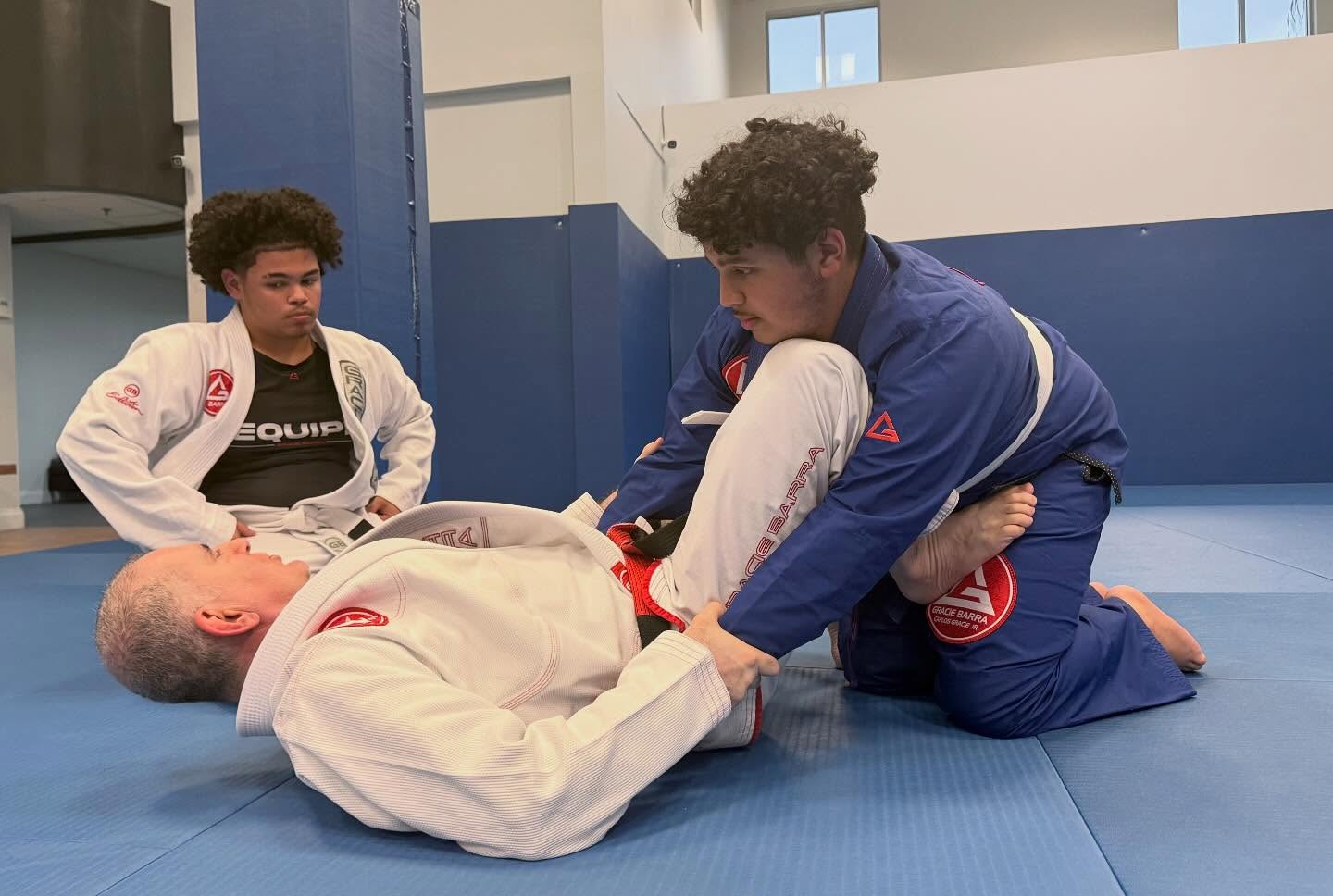
In the gi, you can grab sleeves, collars, lapels, and pants. A solid grip lets you slow a partner down, keep them in place while you think, and set up chokes that use the collar itself. Without the gi, those handles disappear, and you control the body instead through wrists, the back of the neck, underhooks, and the space between your arms and your partner’s torso.
This is why some techniques only exist in one style. The cross collar choke listed among the skills expected before a blue belt promotion needs a collar to work. In no-gi, attacks on the neck rely on arm positions rather than fabric.
Pace and Friction
Cotton creates friction. A partner in a gi is harder to slip away from, and you are harder to escape from too, so exchanges tend to be slower and more methodical. Without the fabric, especially once people start to sweat, positions are harder to hold and scrambles happen faster.
Neither style is easier overall. Gi training often feels like solving a puzzle under pressure, while no-gi jiu-jitsu tends to feel more athletic and less forgiving of loose positions.
Why Many Beginners Start in the Gi
The slower pace is the main reason. When a partner cannot slide out of a position right away, you get more time to feel what is happening, notice a mistake, and fix it. For someone still learning where their hips and elbows belong, that extra second makes a real difference.
Training in the gi also punishes sloppy defense. If you leave an arm or a collar loose, a partner can use it, which teaches you to keep your posture tight from the start. Those habits carry straight into no-gi later. If you are not sure what a first class looks like, this walkthrough of a beginner’s first week covers the warm-up, technique demonstration, and partner drills.
At Gracie Barra Sanford, this order is built into the curriculum: the GB2 Advanced program, which includes No-Gi classes, comes after students have built a base in fundamentals. You do not have to solve the question alone on day one.
When No-Gi Jiu-Jitsu Makes Sense
None of this makes no-gi a lesser option. It rewards body control and timing, and it exposes positions that only worked because you were holding fabric. Many practitioners find that training both makes each one better.
The Self-Defense Question
You will hear arguments on both sides. Few people wear a thick jacket during a Florida summer, which is one case for practicing without clothing grips. On the other hand, real clothing can be grabbed, and gi training teaches you to deal with someone who is holding on to you. The core skills are shared: staying calm on the bottom, recovering guard, and escaping a heavier person. Those same fundamentals are what make leverage-based self-defense practical for smaller people.
If your goal is no-gi competition or cross-training for another grappling sport, adding no-gi classes once you are eligible makes sense. If your goal is fitness and general self-defense, either style will serve you, and your instructor can tell you when the other is worth adding.
What to Wear and Bring for Each Style
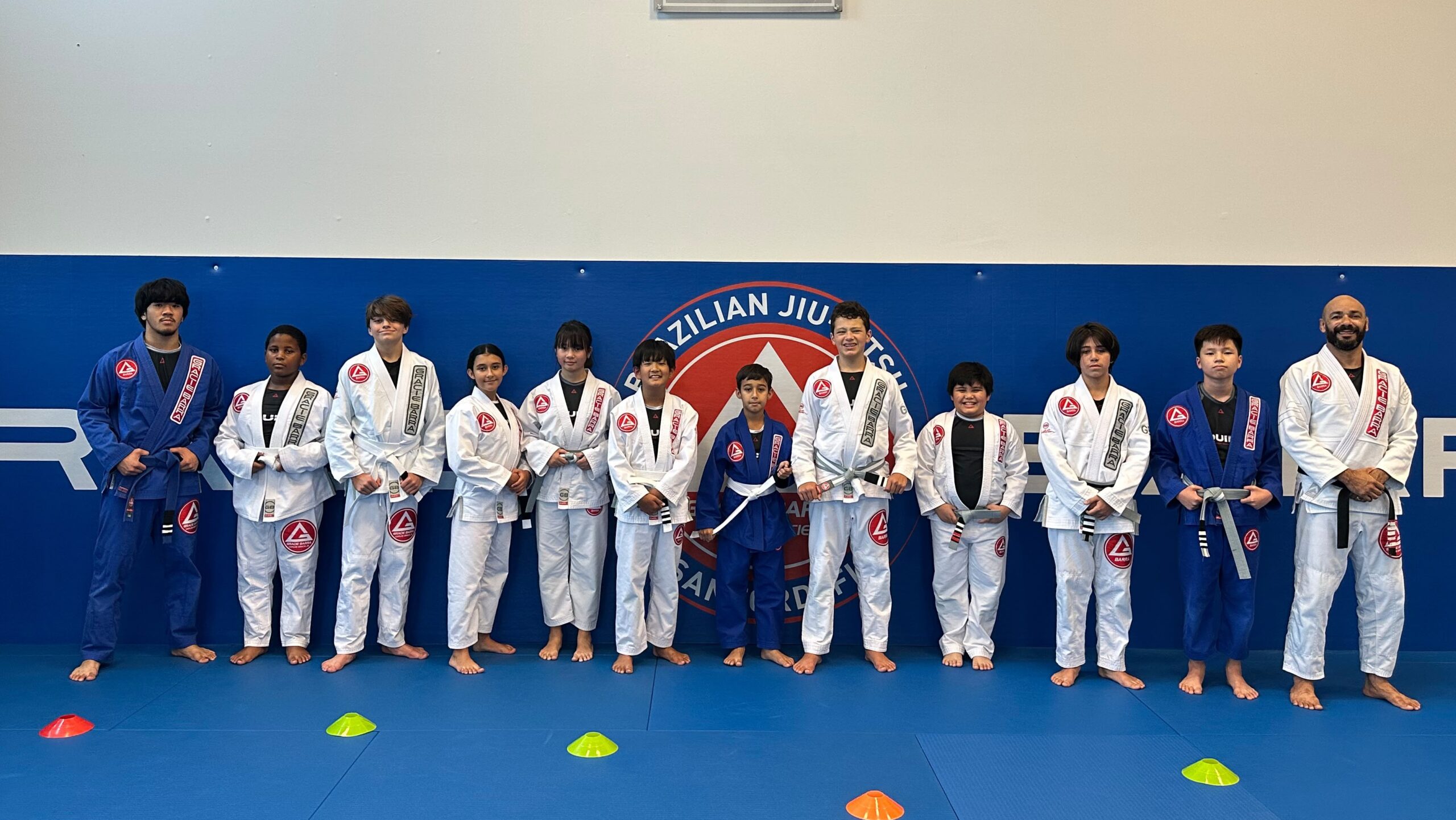
For gi classes, you need a jiu-jitsu gi with jacket, pants, and belt. Academies often have specific requirements for color or brand, so ask the front desk before you buy one. Many people also wear a rash guard under the jacket to reduce rubbing.
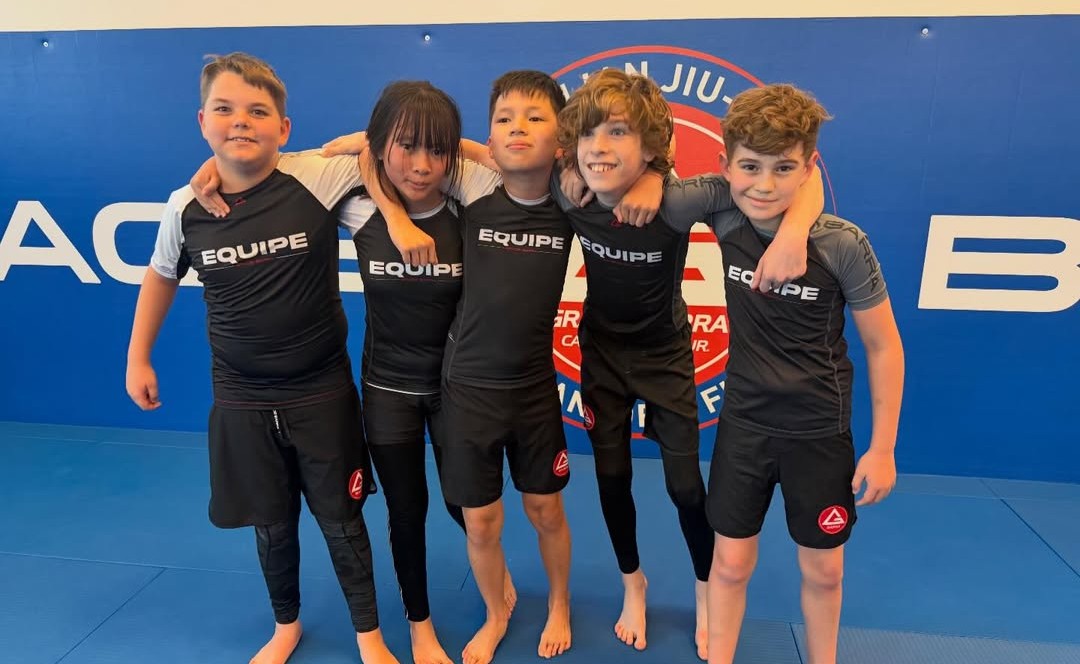
For no-gi, a fitted rash guard and grappling shorts or spats are standard. Skip loose T-shirts and shorts with pockets or zippers, since fingers and toes can get caught. In both styles, trimmed nails, a clean uniform every session, and sandals for walking off the mat are basic courtesy to your training partners.
Making Both Styles Work Together Over Time
Once you train both, look for connections instead of treating them as separate sports. When a gi guard stops working in no-gi, ask what the grip was actually doing. Usually it was controlling distance or posture, and there is a no-gi way to do the same job with your arms or legs.
Consistency matters more than the mix. Two or three classes a week in one style will take you further than one scattered session in each. Look at the academy’s morning, afternoon, and evening class times and pick a rhythm you can keep for months, not just weeks.
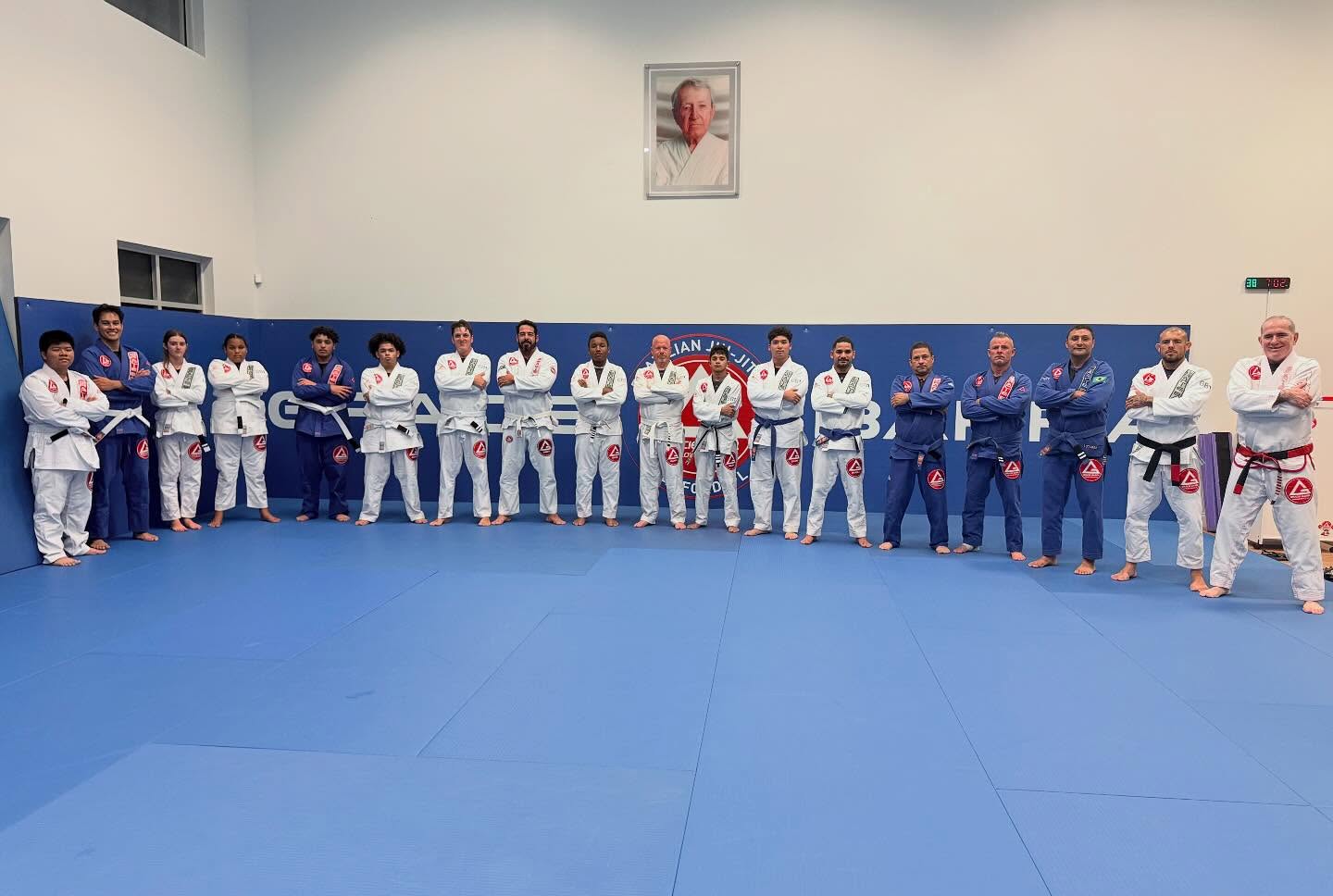
DISCOVER Gracie Barra Sanford
CLICK HEREGi vs No-Gi Jiu-Jitsu: Which Comes First?
In the gi vs no-gi jiu-jitsu debate, the practical answer for most beginners is to start where the curriculum starts and add the other style later. The gi slows things down and builds tight habits, while no-gi sharpens timing and body control. Both lead back to the same fundamentals.
If you are still undecided, bring the question to your first class. The instructors at Gracie Barra Sanford can explain how each style fits your goals, and until then, the best preparation is simply getting on the mat.